What to Expect in the First Week After Getting Dental Crowns
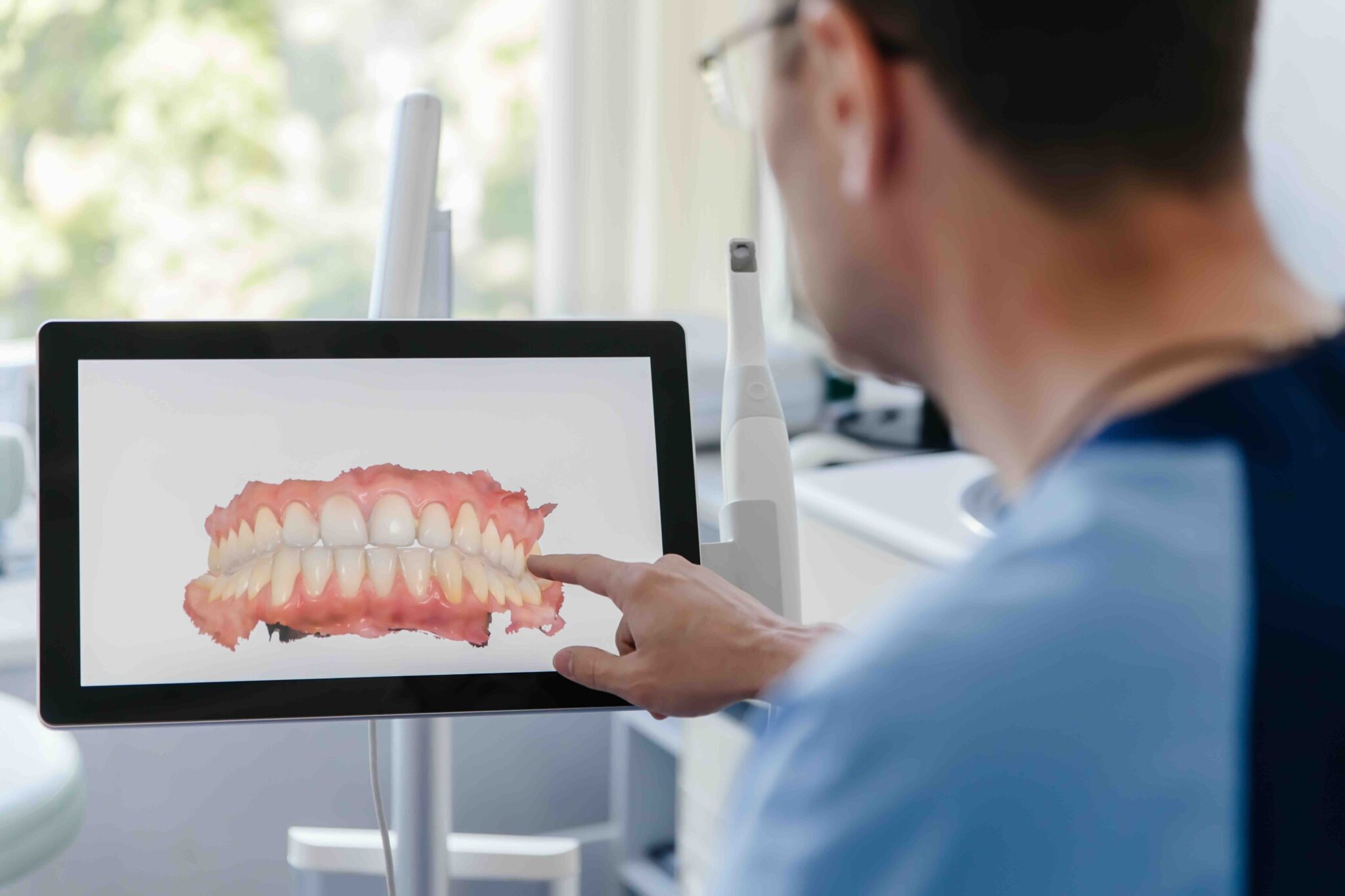
Getting dental crowns is one of those treatments that sounds straightforward until you are the person driving home with a numb cheek, wondering whether the strange pressure in your mouth is normal. Most people are relieved to have the procedure behind them, but the first week tends to come with questions that the short post-appointment instructions do not fully answer. Is that sensitivity supposed to happen? Why does the crowned tooth feel taller than the others? When can you chew normally again?
The good news is that the first week after getting Dental Crowns is usually uneventful, especially when the bite is accurate and the tooth underneath is healthy. Still, even a well-done crown asks your mouth to adapt. The tooth has been shaped, the gum tissue has been disturbed at least a little, and your jaw has to get used to a restoration that may look and feel different from what was there before. Even patients who are pleased with the final result often describe the first several days as a period of adjustment rather than instant normalcy.
What follows is a realistic picture of that first week, including what tends to happen day by day, what deserves attention, and which symptoms should not be shrugged off.
The first few hours feel stranger than the next few days
Right after the appointment, numbness is usually the biggest factor. If anesthetic was used, your lip, cheek, or tongue may stay numb for two to four hours, sometimes longer. During that window, the smartest thing you can do is avoid chewing. People occasionally bite the inside of the cheek without realizing it, then assume later that the crown caused the soreness. In reality, it was the lingering numbness.
Once the anesthetic wears off, the crowned tooth may feel tight, tender, or oddly prominent. That sensation is common, even when the crown is shaped correctly. Your brain is remarkably sensitive to changes in the bite. A crown that differs by a fraction of a millimeter can feel huge at first. Sometimes this sensation fades within a day or two as the mouth adjusts. Sometimes it is the first clue that the crown needs a small bite adjustment.
If a permanent crown was cemented in place, you may also notice a mild taste from the cement or a faint pressure along the gumline. That usually settles quickly. If your appointment involved placing a temporary crown instead of the final one, the first-week experience can be a little less predictable. Temporary materials are not as smooth or strong, and they often feel bulkier. Food catches around them more easily, and temperature sensitivity is more common.
Soreness is common, sharp pain is not
A tooth that has been prepared for a crown has gone through a lot in a short period. It has been reduced in shape, exposed to water spray, vibration, pressure, and often retraction around the gums so the margins can be captured accurately. Mild soreness afterward is not surprising.
Most people notice one or more of the following in the first couple of days:
- tenderness when biting down
- sensitivity to cold drinks or cold air
- a bruised feeling in the gum around the tooth
- mild jaw soreness from keeping the mouth open during the procedure
- awareness of the crown as "something new" when the teeth come together
Those symptoms are usually manageable and should trend in the right direction. What should raise concern Dental Crowns is pain that is intense, throbbing, or getting worse instead of better. A crown should not leave you unable to sleep, unable to chew on any tooth in that area, or reaching repeatedly for stronger pain relief after the first day or two. If that happens, it often points to a bite problem, a very inflamed nerve inside the tooth, or irritation around the gums that needs professional attention.
One pattern dentists hear often is, "It only hurts when I bite, and it feels like I am landing on that tooth first." That is classic high-bite territory. Even a carefully made crown can need a minor adjustment after the numbness wears off and normal chewing starts. A quick polishing adjustment can make a dramatic difference.
Days one and two are mostly about settling down
The first 48 hours are usually the most noticeable part of the week. During this time, people tend to test the tooth repeatedly, which is understandable but not especially helpful. Tapping it with the tongue, chewing experimentally on one side, or comparing it every few minutes with the opposite side can make you more aware of normal post-treatment irritation.
Soft food is usually the easiest choice at first, not because the crown is fragile once a permanent one is cemented properly, but because the surrounding tissues may be tender. Yogurt, eggs, pasta, fish, soups that are warm rather than very hot, rice, oatmeal, and softer cooked vegetables tend to be comfortable. Very sticky candy, chewing gum, and hard foods like nuts or crusty bread are better postponed for a few days, especially if you have a temporary crown.
Temperature can be unpredictable. Some crowned teeth react sharply to cold for a short period, particularly if a large amount of natural tooth structure had to be reshaped. Others are more sensitive to heat. Neither response automatically means something is wrong. The key is duration and trend. A brief zing that fades is one thing. Lingering pain that hangs on for many minutes after the trigger is removed deserves a call to the office.
It is also common to feel mild gum irritation where the crown meets the tooth. The area may look a bit pink or slightly swollen. That usually reflects the work done around the gumline during the procedure. Gentle brushing still matters. Patients sometimes avoid brushing the area because they assume "resting it" helps, but plaque accumulation tends to make gum tenderness last longer, not shorter.
The crown may feel "too big" even when it is not
One of the most interesting parts of crown recovery is the mismatch between physical measurements and patient perception. A crown can be made beautifully, fit accurately, and still feel wrong for several days. People often describe it as thicker, taller, flatter, or somehow in the way.
There are a few reasons for that. First, your tongue notices contour changes immediately. Second, the ligament that holds the tooth in the bone can become slightly inflamed from the procedure, making the tooth feel elevated. Third, if the original tooth was broken, worn down, or had an old filling with collapsed anatomy, the new crown may restore a shape your mouth has not felt in years.
That said, there is a difference between "new" and "off." If the crown simply feels present, that may fade. If you cannot close your teeth together evenly, if your jaw starts feeling strained, or if chewing forces you to avoid the crowned side because it contacts first every time, the bite likely needs adjusting. Waiting too long can leave the tooth sore and the jaw irritated. This is one of those situations where a small correction often solves a big annoyance.
Eating with a new crown requires a little judgment
Most permanent Dental Crowns are strong enough for normal chewing once they are securely bonded or cemented, but normal chewing and wise chewing are not always the same thing during week one. Your mouth gives useful feedback if you let it. If something feels fine, it probably is. If something feels sharp, awkward, or painful, push pause rather than trying to "test" the crown into submission.
Temporary crowns deserve more caution. They can loosen or come off if you chew sticky foods, pull floss upward aggressively, or bite into hard foods directly on that tooth. Permanent crowns are much more stable, but even then, the tooth underneath may still be sensitive from the preparation.
A practical rule for the first week is simple:
- chew more on the opposite side if the crowned tooth feels tender
- avoid sticky foods if you have a temporary crown
- cut harder foods into smaller pieces rather than biting straight in
- use lukewarm foods and drinks if temperature triggers sensitivity
- return to normal function gradually, not all at once
People are often surprised that something as ordinary as crusty pizza, seeded bread, or a handful of almonds can be more irritating than a full meal of softer foods. Texture matters at least as much as quantity.
What your gums might do during the first week
Gums are not passive bystanders in crown treatment. To capture a clean margin and seat the crown properly, the tissue around the tooth is often gently moved aside. That can leave the gum slightly irritated afterward. A little redness or puffiness for a few days is expected, especially around front teeth where the margin sits close to visible tissue.
You may also notice a small amount of bleeding when brushing or flossing the first couple of times. That can happen if the tissue is still tender. Bleeding should be light and should improve, not worsen. Good cleaning is still important. Letting plaque build up around a new crown almost always backfires, because inflamed gums make the tooth feel more sensitive and make it harder to tell whether the crown itself is the issue.
Flossing around a permanent crown should feel normal, though the contact point may be tighter than before. If you have a temporary crown, many offices advise sliding the floss out to the side rather than snapping it back upward, because pulling straight up can dislodge the temporary. Patients who miss that instruction sometimes learn it the annoying way, with the temporary attached to the floss.
Sensitivity can mean different things
The word "sensitive" covers a lot of ground, and not all of it points in the same direction. Brief cold sensitivity is probably the most common complaint after crown placement. If it lasts a second or two and improves over several days, that is usually part of the settling process.
Pressure sensitivity is a little more nuanced. Mild tenderness when chewing can come from inflammation around the tooth's root ligament after the procedure. But pain on release, pain with every bite, or a distinct feeling that the tooth is being jammed can suggest the bite is high.
Heat sensitivity gets more attention because it can be a sign that the nerve inside the tooth is not happy. That does not always mean root canal treatment is inevitable, but it is worth monitoring closely. Teeth that already had deep decay, large old fillings, or cracks before receiving crowns are more likely to act up afterward. Sometimes the crown did not create the nerve problem, it simply came after a tooth that was already close to the edge.
There is also the issue of neighboring teeth. Patients occasionally swear the crowned tooth is in trouble, only to find that the soreness is actually coming from the gum between teeth or from the opposing tooth hitting harder than usual. The mouth is not always great at pinpointing the exact source, especially in the first few days.
If you had a root canal first, your week may be easier
Not every crowned tooth has a live nerve. Teeth that already had root canal treatment often behave differently after crown placement. Since the nerve has been removed, temperature sensitivity is usually absent. That can make the first week feel simpler. However, gum soreness and bite discomfort can still occur, especially if the crown is slightly high or the tissues around the tooth were irritated during the appointment.
On the other hand, a tooth with a healthy live nerve can be more reactive in the short term. That is not necessarily a bad sign. Living teeth respond to treatment. They can be quiet one day and zippy the next, then Dental Crowns settle again. The challenge is separating normal healing from a nerve that is failing. Dentists look for patterns: increasing pain, spontaneous aching, pain that lingers long after temperature exposure, or discomfort severe enough to disrupt sleep.
The emotional side is more common than people expect
There is a small but real psychological adjustment after receiving Dental Crowns, especially on front teeth or on teeth you feel constantly with your tongue. Even when the appearance is excellent, people can become temporarily preoccupied with symmetry, bite feel, or the fear of damaging the new restoration. This is especially true if the crown replaced a cracked tooth that caused weeks of stress beforehand.
A patient might say, "I cannot stop checking it," and that is understandable. The more attention you give one tooth, the more unusual it tends to feel. That does not mean the sensation is imaginary. It means your awareness is magnified. Usually, once eating and talking return to normal and nothing bad happens, that hyper-awareness fades.
Front crowns can create another kind of adjustment. The lip may brush against the tooth differently, speech can feel a little awkward for a day or two, and the polished surface may seem almost slippery compared with the old tooth. Most of that resolves with use. If speech remains affected or the edge feels awkward after several days, it may need refinement.
Problems that should prompt a call
Most first-week concerns are minor, but a few deserve prompt attention rather than watchful waiting. The best outcomes usually come from addressing these early rather than hoping they disappear.
A dental office should hear from you if the crown feels obviously too high, if you have pain that keeps intensifying, if the crown comes loose, or if your gums become increasingly swollen around the tooth. Cracks in a temporary crown, a bad taste that persists, and any sign of pus should also be reported. These are not situations where patience is the main remedy.
Another reason to call is if you cannot floss between the crowned tooth and the next tooth, or if the floss shreds repeatedly in one spot. That can suggest a rough contact or an overhang that will keep trapping food and irritating the gum.
Some patients hesitate to contact the office because they worry they are overreacting. In practice, crown follow-up calls are routine. Bite adjustments, brief checks, and reassurance appointments are part of normal care. A ten-minute fix on day three is far easier than a sore tooth and inflamed jaw on day fourteen.
How the week often unfolds
While everyone heals at a different pace, there is a broad pattern many people follow. The day of the procedure is dominated by numbness and caution. The next day brings the clearest read on bite and sensitivity. By day three or four, gum tenderness often starts settling, and the crown feels less foreign. By the end of the week, many patients are chewing more normally, though a small degree of awareness may remain.
That timeline stretches out when the original tooth was badly broken, when the decay was deep, when multiple crowns were done at once, or when the patient clenches or grinds. A person who had one straightforward crown on a molar may feel nearly normal within a couple of days. Someone who had two front crowns, temporary restorations, and irritated gums may need longer before things feel settled.
Nighttime grinding deserves a special mention. If you clench in your sleep, a new crown can feel sore in the morning even when the procedure itself went well. The pressure on the tooth ligament can mimic a problem. Sometimes the first week is when an underlying grinding habit becomes impossible to ignore.
The crown itself is not the whole story
When people say, "My crown hurts," the crown is often not the part in trouble. Crowns are restorations. They cover and protect. Pain usually comes from one of four places: the nerve inside the tooth, the ligament around the root, the gum tissue around the margin, or the way the teeth are meeting when you bite.
That distinction matters because the solution depends on the source. A high bite is adjusted. Inflamed gums improve with better cleaning and time. A temporary crown that is loose may need recementing. A distressed nerve may need monitoring, medication advice, or root canal treatment if symptoms point that way. Lumping every symptom under "the crown is bad" misses the real issue.
In well-executed cases, crowns do exactly what they are supposed to do. They reinforce weakened teeth, restore function, and often save teeth that would otherwise crack further or fail. The first week can still be bumpy, not because the treatment was a mistake, but because dental work, even good dental work, is still intervention.
By the end of the first week, what should feel normal?
By around day seven, most people expect the crowned tooth to be comfortable enough for ordinary daily life. You may still be aware of it now and then, particularly when chewing very hard foods or drinking something icy, but it should not dominate your attention. The bite should feel even. The gum should look calmer. Brushing and flossing should be manageable without much tenderness.
If you are still avoiding that side completely, still noticing a distinct "thud" on the crown when you bite, or still dealing with rising sensitivity, something likely needs to be checked. There is no prize for enduring a fixable problem.
A well-fitting crown should fade into the background of your mouth. That is the real destination. Not that you forget it exists forever, but that it stops introducing itself every time you eat, speak, or close your teeth together. For many patients, that happens within the first week. For others, especially after more complex work, it takes a little longer. What matters most is the direction of travel. Less soreness, less awareness, easier chewing, calmer gums. That is the pattern you want to see.
When that pattern is in place, the first week after getting Dental Crowns becomes what it should be: a short adjustment period before the tooth goes back to doing its job quietly.
Simple Dental Vermont
Address: 8914 S Vermont Ave, Los Angeles, CA 90044
Phone number: +13239493000
FAQ About Dental Crowns
How much do crowns cost per tooth?
In the United States, a single dental crown typically costs between $800 and $2,500 per tooth without insurance. The ultimate out-of-pocket price depends heavily on the crown material, the location of the tooth, and whether you have dental insurance coverage.
What is the downside of crowns on teeth?
The primary downside of a dental crown is that the procedure permanently removes natural tooth enamel to shape the tooth for the cap.
Why do dentists push for crowns?
Dentists recommend crowns because a large filling cannot provide enough strength when a tooth loses a major portion of its structure or faces heavy chewing pressure.