Emergency Dentist Los Angeles CA for Root Canal Emergencies

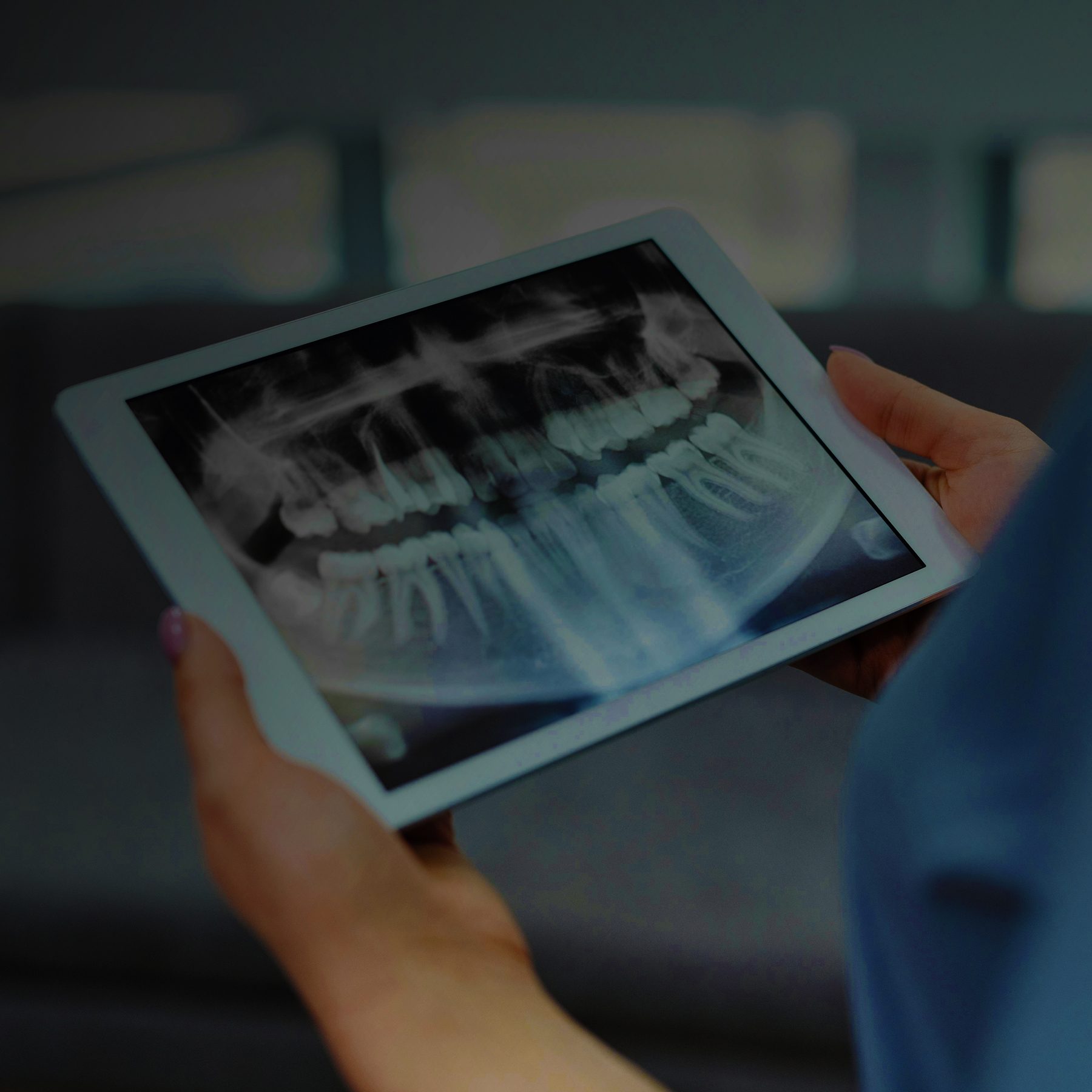

A root canal emergency has a way of taking over the entire day. Patients often describe the pain as deep, throbbing, and impossible to ignore. It is not the kind of discomfort you push through with a coffee and a meeting. It can wake you at 2 a.m., make chewing impossible by lunchtime, and turn a normal workday in Los Angeles traffic into a miserable experience by evening.
When people search for an Emergency Dentist Los Angeles CA, they are usually not dealing with a vague concern. They are trying to solve a problem that feels urgent, specific, and disruptive. In many cases, that problem is tied to the tooth pulp, the soft tissue inside the tooth that contains nerves and blood vessels. Once that tissue becomes inflamed or infected, the pain can escalate fast. A root canal may be the treatment that saves the tooth and ends the immediate crisis.
Not every toothache means you need root canal therapy that same day. But some symptoms should move a patient to call an Emergency Dentist without delay. Timing matters. A few hours may not change everything, but several days of waiting can mean more swelling, more pain, and fewer treatment options.
Why root canal emergencies happen
Most true root canal emergencies start with a pathway into the pulp. Deep decay is a common cause. A crack is another, especially in back teeth that absorb years of heavy chewing pressure. Old fillings can leak. Trauma from a fall, sports injury, or car accident can damage the pulp even if the tooth initially looks intact. In Los Angeles, where many people stay active outdoors year-round, sports and bike-related dental injuries are not rare.
Sometimes the problem has been building quietly for months. A patient might notice mild sensitivity to cold, then occasional pain when biting, then a period where the tooth seems fine again. That temporary calm can be misleading. When the pulp begins to die, symptoms may fade before a more serious infection develops at the root tip. Then the pain returns in a stronger, more relentless form.
There is also the matter of postponement. People are busy. They have production deadlines, auditions, school pickups, flights from LAX, and calendars stacked tight. It is common for someone to notice a dental issue on a Tuesday and promise themselves they will deal with it next week. By the time they call, the tooth may be too inflamed for anything but urgent care.
What a root canal emergency feels like
Patients often assume that if a tooth needs a root canal, the pain will always be dramatic. That is not always true. Some infected teeth cause pressure and tenderness more than severe pain. Others bring swelling first. Still, several patterns come up repeatedly in emergency dental settings.
One of the clearest warning signs is lingering sensitivity to heat or cold. If you sip coffee and the pain hangs on long after the cup is down, that is more concerning than a quick flash of sensitivity. Spontaneous pain is another red flag, especially if it strikes without chewing or temperature triggers. A tooth that hurts enough to interrupt sleep deserves prompt evaluation.
Pain on biting can point to inflammation around the root or a crack. Swelling in the gum near one tooth can suggest an abscess. In some cases a patient notices a small pimple-like bump on the gum that drains periodically. That bump, called a fistula or sinus tract, can reduce pressure temporarily, but it does not solve the infection.
Numbness, facial swelling, fever, trouble swallowing, or difficulty opening the mouth are more serious warning signs. Those symptoms can indicate a spreading infection and should be assessed immediately. Dental infections do not always stay limited to one small area.
When to seek same-day care
There is a difference between a dental problem that is important and one that is truly urgent. Root canal emergencies fall into the urgent category when pain is escalating, swelling is present, or there are signs the pulp is irreversibly damaged or infected.
The following situations usually justify same-day contact with an emergency dental office:
- Severe tooth pain that does not ease with standard over-the-counter pain medicine
- Swelling in the gum, cheek, or jaw near a painful tooth
- Pain with biting after trauma, especially if the tooth feels cracked or loose
- A bad taste, drainage, or pus near the tooth
- Fever or facial swelling along with dental pain
These are not symptoms to monitor casually over several days. A prompt exam can determine whether the issue is reversible inflammation, a crack, an abscess, or something else entirely.
What an Emergency Dentist looks for first
The first task in a root canal emergency is diagnosis, not drilling. Tooth pain https://bandcamp.com/simpledentalsouthgate can be deceptive. A patient may point to the upper left molar when the true source is the lower left. Sinus pressure can mimic tooth pain. A cracked tooth, failing filling, gum infection, or bite problem can all create symptoms that seem pulpal at first glance.
An experienced Emergency Dentist Los Angeles CA will usually begin with a clinical exam, percussion testing, temperature testing, and radiographs. In some offices, 3D imaging is used when the situation is complex or when anatomy is not clear on standard films. The goal is to identify whether the pulp is still alive, whether it is inflamed beyond recovery, and whether infection has spread beyond the tooth into the surrounding bone.
This diagnostic phase matters because treatment decisions change depending on the findings. A tooth with reversible pulpitis might be managed with decay removal and a protective restoration. A tooth with irreversible pulpitis or a necrotic pulp may need root canal treatment. A vertical root fracture may not be salvageable. Good emergency care is not just fast. It is precise.
What happens during emergency treatment
Patients are often relieved to learn that the first emergency visit is focused on getting them comfortable and stabilizing the tooth. In many cases, that includes starting or completing root canal therapy. In other cases, it may involve opening the tooth to relieve pressure, placing medication inside, and scheduling a follow-up with a general dentist or endodontist.
The immediate purpose of root canal treatment is straightforward. The infected or inflamed pulp is removed, the inside of the tooth is cleaned and disinfected, and the canal space is shaped so it can be sealed. Once that pressure is relieved, many patients feel noticeably better within a short time, although soreness from the procedure and surrounding inflammation can linger for a few days.
Whether the root canal is completed in one visit depends on several factors, including swelling, drainage, anatomy, time available, and the office setup. A straightforward front tooth may be completed quickly. A molar with curved canals and significant infection may require more than one appointment. Neither approach is automatically better. The right choice depends on the clinical picture.
An emergency dentist may also adjust the bite temporarily if the tooth is hitting too hard, place a temporary restoration, and discuss the next step in restoring the tooth permanently. This part is important. Root canal therapy handles the inside of the tooth, but the outside still needs proper protection. Many back teeth need crowns after root canal treatment because they become more prone to fracture.
The question patients ask most: do I need antibiotics?
Antibiotics are useful in some dental emergencies, but they are not a substitute for definitive dental treatment. This is one of the biggest misunderstandings in urgent dental care. If the source of pain is infected pulp trapped inside a tooth, antibiotics alone often do little because the blood supply to that tissue is compromised. The pressure and bacteria need to be addressed directly.
Antibiotics may be indicated when there is visible swelling, spreading infection, fever, or involvement beyond the tooth itself. They may also be used when immediate definitive treatment is not possible. Still, a prescription without drainage or proper treatment can leave the underlying problem untouched. Patients often feel a little better, then much worse once the medication ends.
A good emergency dentist explains this clearly. The medication can support treatment, but it rarely replaces it.
Root canal or extraction in an emergency
There are times when a tooth can be saved predictably and times when extraction is the wiser path. In emergency settings, that decision should be made calmly, even if the patient is in pain. Saving a natural tooth is usually preferable when the structure is sound, the periodontal support is healthy, and the fracture pattern is favorable. A root canal, followed by proper restoration, can preserve function for many years.
But not every tooth is a good candidate. If the tooth is split vertically, decayed far below the gum line, or too structurally compromised to restore, extraction may be more realistic. The challenge is that patients in severe pain sometimes choose the fastest solution without understanding the longer-term trade-offs. Replacing a missing tooth in Los Angeles can be far more involved and expensive than saving one, especially when bone grafting, implants, or bridges enter the picture.
That does not mean extraction is wrong. It means the decision deserves judgment, not panic.
What to do before you can get to the office
The hours between the onset of severe dental pain and the actual appointment can feel long. A few practical steps can reduce discomfort and help prevent the situation from worsening.
- Rinse gently with warm salt water to keep the area cleaner and soothe irritated tissue
- Take over-the-counter pain medicine only as directed on the label, unless your physician has told you otherwise
- Avoid chewing on the affected side, especially hard or sticky foods
- Use a cold compress on the outside of the cheek if swelling is present
- Call promptly if swelling increases, fever develops, or pain becomes difficult to control
It is better to avoid placing aspirin directly on the gum, which can burn the tissue. It is also wise not to rely on clove oil or internet remedies once swelling or severe pain enters the picture. Those measures may distract from the fact that an infected tooth is not resolving on its own.
Why Los Angeles patients often delay treatment
In a city as spread out and time-sensitive as Los Angeles, dental emergencies get managed around logistics as much as symptoms. People wait because they are between jobs, between insurance plans, between auditions, or between school obligations. Some are new to the city and do not yet have a regular dentist. Others assume the ER is the fallback option, only to find that hospital emergency departments can manage pain and infection risk but usually do not perform root canal treatment.
There is also cost anxiety, and it is understandable. Emergency dental care can feel financially intimidating when you are caught off guard. Yet waiting often makes treatment more involved. A tooth that might have been managed with root canal therapy and a buildup can become a tooth that needs extraction, infection control, and a future replacement plan. That is usually the more expensive road.
An Emergency Dentist who is used to root canal cases will often discuss staged treatment, immediate relief options, and referral pathways if specialist care is needed. Those conversations matter because they turn a frightening event into a manageable plan.
The role of an endodontist versus a general emergency dentist
Patients sometimes wonder whether they should go directly to an endodontist. The answer depends on access, timing, and complexity. Endodontists focus specifically on root canal treatment and are often the best fit for difficult anatomy, retreatment, calcified canals, or pain that has persisted despite prior dental work. Their training is highly focused, and for certain cases that makes a real difference.
That said, many general dentists who provide emergency care are fully equipped to diagnose and treat routine root canal emergencies, especially when the need is immediate and the goal is to stop pain and control infection. In practical terms, same-day care from a capable emergency dentist may be the best first step, with referral if the anatomy or condition warrants it.
The right provider is the one who can diagnose accurately, explain the options honestly, and either treat effectively or refer without delay.
How long recovery usually takes
Most patients feel substantial relief after the pressure inside the tooth has been addressed. That does not mean the area feels perfect the next morning. It is normal to have some tenderness when chewing for a few days, especially if the tooth was very inflamed or infected before treatment. Molars can remain sore a bit longer because they absorb more biting force.
If swelling was present before treatment, that swelling may take time to resolve. Antibiotics, if prescribed appropriately, help the body regain control of the infection, but the timeline varies. The key trend should be improvement. Pain that worsens, swelling that spreads, or difficulty swallowing after treatment needs prompt reassessment.
Patients also need to understand the difference between emergency relief and final restoration. A tooth that has had root canal therapy is not fully protected until it has the definitive filling or crown recommended by the dentist. Delaying that step is one of the main reasons root canal-treated teeth fracture later.
Special cases that change the plan
Some root canal emergencies are more straightforward than others. Pregnancy may alter medication choices and imaging protocols, though urgent dental treatment can still be appropriate and safer than leaving infection untreated. Patients with uncontrolled diabetes may heal more slowly and face higher infection risks. Those on blood thinners or immune-suppressing medications may need coordinated planning. A patient with a dental crown already in place presents another layer, because accessing the tooth can sometimes preserve the crown and sometimes not.
Cracked teeth are particularly tricky. A crack that extends into the root may not become obvious until the tooth is opened or symptoms are tracked carefully. These are the cases where experience matters. The dentist has to balance the desire to save the tooth with the responsibility not to oversell a poor prognosis.
Children and teenagers present different concerns as well. Immature teeth with open root ends may need a treatment plan that differs from a standard adult root canal approach. Trauma cases in younger patients can evolve over time, which means follow-up matters as much as the emergency visit.
Choosing the right emergency dental office
Not all dental offices operate the same way when urgent root canal pain walks through the door. Some are built to triage quickly and handle same-day treatment. Others can diagnose and medicate but refer out for the actual procedure. Neither model is inherently bad, but patients are better served when they ask direct questions before they arrive.
It helps to know whether the office offers same-day emergency exams, digital imaging, root canal treatment on site, after-hours support, and referral coordination if a specialist is needed. In Los Angeles, where crossing the city can take longer than expected, convenience matters. So does transparency about fees, follow-up, and whether a crown will be needed after the emergency phase.
The best emergency visit is not just the one that stops pain. It is the one that gives the patient a realistic map of what comes next.
What patients remember after the crisis passes
Once the pain is gone, people often look back and realize how long they had been tolerating symptoms. They remember the cold sensitivity they ignored, the filling that fell out months earlier, or the tooth that hurt only when chewing almonds. A root canal emergency tends to sharpen awareness. Teeth rarely move from healthy to abscessed overnight without some earlier signal.
That hindsight matters because prevention is usually less dramatic and less costly than emergency care. Regular exams, timely treatment of cavities, and attention to cracked or heavily restored teeth can prevent many of these situations. Night guards can help patients who clench or grind. Replacing old leaking restorations before bacteria reach the pulp can save a lot of trouble.
Still, even careful patients can end up with an emergency. Teeth fracture. Previous work fails. Accidents happen. When they do, the priority is simple: get the right diagnosis quickly, control pain, stop infection, and preserve the tooth if it can be saved.
For anyone searching for an Emergency Dentist Los Angeles CA because root canal pain has become impossible to ignore, speed matters, but judgment matters more. A good emergency dentist does not just react to pain. They identify the true source, explain the options clearly, and move the patient from crisis to stability with as little unnecessary delay as possible.
Simple Dental Vermont
Address: 8914 S Vermont Ave, Los Angeles, CA 90044
Phone number: +13239493000
FAQ About Emergency Dentist Los Angeles CA
What can the ER do for a tooth?
The emergency room can provide temporary symptom relief for a bad tooth, such as prescribing pain medicine or antibiotics, but it cannot fix the actual dental problem.
What is the 3-3-3 rule for tooth infection?
The 3-3-3 rule for a toothache or infection typically means taking three 200 mg ibuprofen tablets (600 mg total) three times a day for no more than three days to control pain and swelling while waiting to see a dentist.
What do you do if you have a dental emergency but no dentist?
If you have a dental emergency and no regular dentist, you should search for an urgent care dental clinic, call local walk-in dental offices, or go to a hospital emergency room if you have severe bleeding, swelling, or trouble breathing.